Neighbourhood guide
Bangkok Chinatown (Yaowarat)
Chinatown is two places: a hectic wholesale district by day and one of the world's great street-food streets by night. Plan for both.
Updated
5 min read
How we research
In this guide ↓
Best for
- Food-first travellers
- Photographers
- Repeat visitors who want atmosphere over landmarks
Less suited to
- Anyone who dislikes crowds and noise
- Travellers with limited mobility (narrow, busy pavements)
Getting there
- Wat Mangkon · MRT Blue LineExits straight onto the heart of Chinatown
- Hua Lamphong · MRT Blue LineWalk to Wat Traimit (Golden Buddha)
- Ratchawong (N5) · Chao Phraya Express Boat
- Nightlife
- some
- First-time visitors
- Good
- Families
- OK
- Hotel budgets
- budget, mid-range
Nearby: Old Town (Rattanakosin), Riverside (Charoen Krung & Khlong San), Silom
What is Chinatown like?
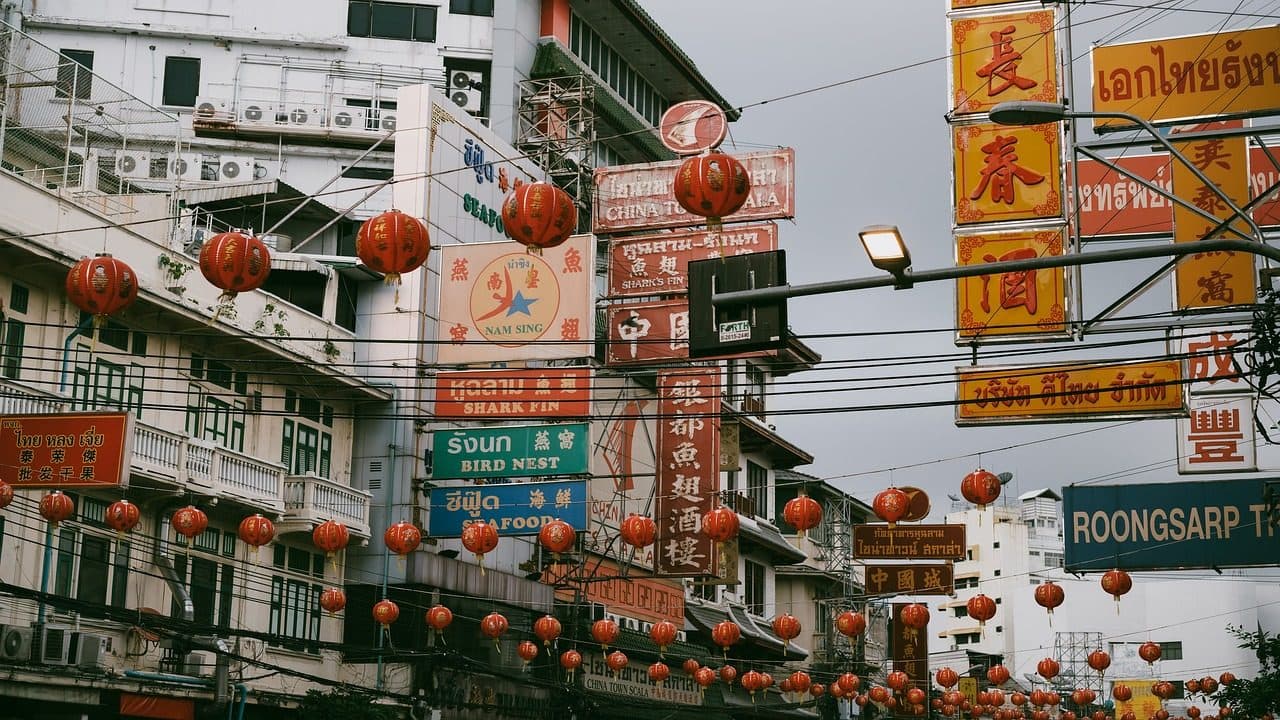
Bangkok's Chinatown grew up when the Chinese merchant community was moved here in the late 18th century to make way for the Grand Palace. It's still a working district: gold shops, wholesale lanes, herbal medicine stores, temples and shrines packed into narrow streets. By day it's hectic and commercial. From late afternoon, Yaowarat Road — the main artery — fills with food stalls and becomes one of the world's great street-food streets.
There's a quieter side too. Talat Noi, by the river, is a maze of old shophouses, mechanics' workshops, street art and family homes.
Where is it, and how do you get there?
Chinatown sits between the Old Town and the Riverside, on the east bank of the river.
- MRT Wat Mangkon — exits directly into the heart of Chinatown.
- MRT Hua Lamphong — for Wat Traimit and the eastern end of Yaowarat.
- River boats — Ratchawong pier for Yaowarat, Marine Department pier for Talat Noi.
The MRT makes Chinatown easy to reach from Silom and Sukhumvit. Taxis in the evening traffic are slow.
Best things to do
Wat Traimit (The Golden Buddha)
Houses a solid-gold seated Buddha of around 5.5 tonnes, at the edge of Chinatown.
30–45 minutes · Best time: morning · Hua Lamphong (MRT Blue Line)
Talat Noi
A riverside corner of Chinatown with old shophouses, mechanics' workshops, street art and the So Heng Tai mansion.
1–2 hours · Best time: morning or late afternoon · Marine Department (N4) (Chao Phraya Express Boat)
Sampeng Lane
A long, narrow, covered lane of wholesale shops selling everything from fabric and beads to toys and phone cases. It's crowded and fascinating for half an hour; go in the morning.
Wat Mangkon Kamalawat
Chinatown's most important Chinese Buddhist temple, busy with worshippers and incense smoke, especially around Chinese New Year. It's right by the MRT station that takes its name.
Yaowarat after dark
Yaowarat Road
Chinatown's main road, lined with gold shops and neon signs and taken over by food stalls after dark.
2 hours (evening) · Best time: from around 6pm · Wat Mangkon (MRT Blue Line)
Where to eat
Chinatown is a food destination first. In the evening, walk Yaowarat Road and its side streets for seafood, noodles and desserts. At lunchtime, the shophouse restaurants along Charoen Krung and Yaowarat serve noodles, roast duck and Chinese-Thai dishes.
What to try:
- Kuay jap — rolled rice noodles in a peppery pork broth
- Grilled seafood from the roadside grills
- Oyster omelette
- Chinese desserts, including sweet soups and bird's nest drinks
- Roast duck and pork over rice or noodles
Our street food guide explains how to choose stalls and order.
Nightlife
Chinatown isn't a bar district, but a growing number of small cocktail bars occupy old shophouses on and around Soi Nana (not to be confused with the Sukhumvit Nana). The main evening activity is eating.
Shopping
Gold shops along Yaowarat, wholesale goods in Sampeng Lane and dried foods and herbal products in the side streets. It's a place for browsing and atmosphere more than souvenirs.
Staying in Chinatown
A few boutique hotels in converted shophouses and some larger hotels make Chinatown a characterful base for food lovers.
Advantages
- The best evening street food in Bangkok on your doorstep
- MRT connections to Silom, Sukhumvit and the Old Town
- Close to both the river and the Old Town
Disadvantages
- Noisy, crowded and hard to navigate with luggage
- Narrow, busy pavements
- Fewer mid-range international-standard hotels than downtown
When to visit
Mornings for Wat Traimit, Sampeng Lane and Talat Noi; evenings from about 6pm for Yaowarat street food. Chinese New Year (usually late January or February) brings huge crowds and decorations, and the Vegetarian Festival in late September or October fills Yaowarat with yellow-flagged food stalls.
Nearby
Pahurat, Bangkok's Little India, begins at the western end of Sampeng Lane. The Old Town is a short MRT ride or taxi away; the Riverside is downstream by boat. Pair a Chinatown afternoon with a ride on the Chao Phraya Express Boat.
where to next?
- Bangkok Street FoodBangkok's street food is concentrated in particular streets at particular times. Knowing where and when matters more than any list of stalls, which change constantly.
- Bangkok Old Town (Rattanakosin)The historic royal heart of the city, and where most first trips begin. It is also more pleasant to stay in than most visitors assume.
- Bangkok RiversideThe riverside is Bangkok at its most romantic and, thanks to the boats, better connected to the Old Town than anywhere on the BTS.